
Posts
Doctor's Day
July 2, 2026
PCOS now PMOS
June 2, 2026
Kidney Day Nutrition Awareness
March 11, 2026
Post-Holi Health Reset: Simple Diet & Lifestyle Tips:-
March 6, 2026
#Mineral #Rich #Immunity #Diet:-
March 5, 2026
After Holi Detox Diet
March 5, 2026
The Dawn of a New Era: How AI is Revolutionizing Drug Discovery
February 16, 2026
FDA Approves First-of-Its-Kind Device to Treat Pancreatic Cancer
February 16, 2026
The Hidden Gut Bacteria That Could Revolutionize Your Health
February 15, 2026
The Future of Diagnosis: How AI is Revolutionizing Brain Scans
February 14, 2026
Scientists Discover Protein That Can Rejuvenate Aging Brain Cells
February 13, 2026
A New Dawn for Pancreatic Cancer Treatment: FDA Approves First-of-Its-Kind Wearable Device
February 13, 2026
AI Revolutionizes Brain Scan Analysis, Offering Diagnoses in Seconds
February 12, 2026
Managing Flu Season: A Guide for 2026
February 12, 2026
Your Immune System's Molecular Diary: How Life Experiences Shape Your Health
February 11, 2026
The Origami of Life: How DNA Folding and Immune System Secrets are Revolutionizing Medicine
February 10, 2026
Revolutionary AI Technology Reads Brain MRIs in Seconds: A Game-Changer for Neurological Diagnosis
February 10, 2026
Your Guide to Ayushman Bharat at Saksham Hospital, Saharanpur
November 17, 2025
A Beautiful Gesture of Gratitude: Akanksha’s Journey to Motherhood at Saksham Hospital
November 17, 2025
Understanding Nasal Allergy & Turbinate Hypertrophy: Causes, Symptoms & Treatment
November 16, 2025
The Importance of Regular Health Check-ups
October 2, 2025
❤️ Your Heart Matters: A Guide to Better Heart Health
September 30, 2025
A day in the life of an Obstetrician
September 28, 2025
Understanding Nasal Allergy & Turbinate Hypertrophy: Causes, Symptoms & Treatment
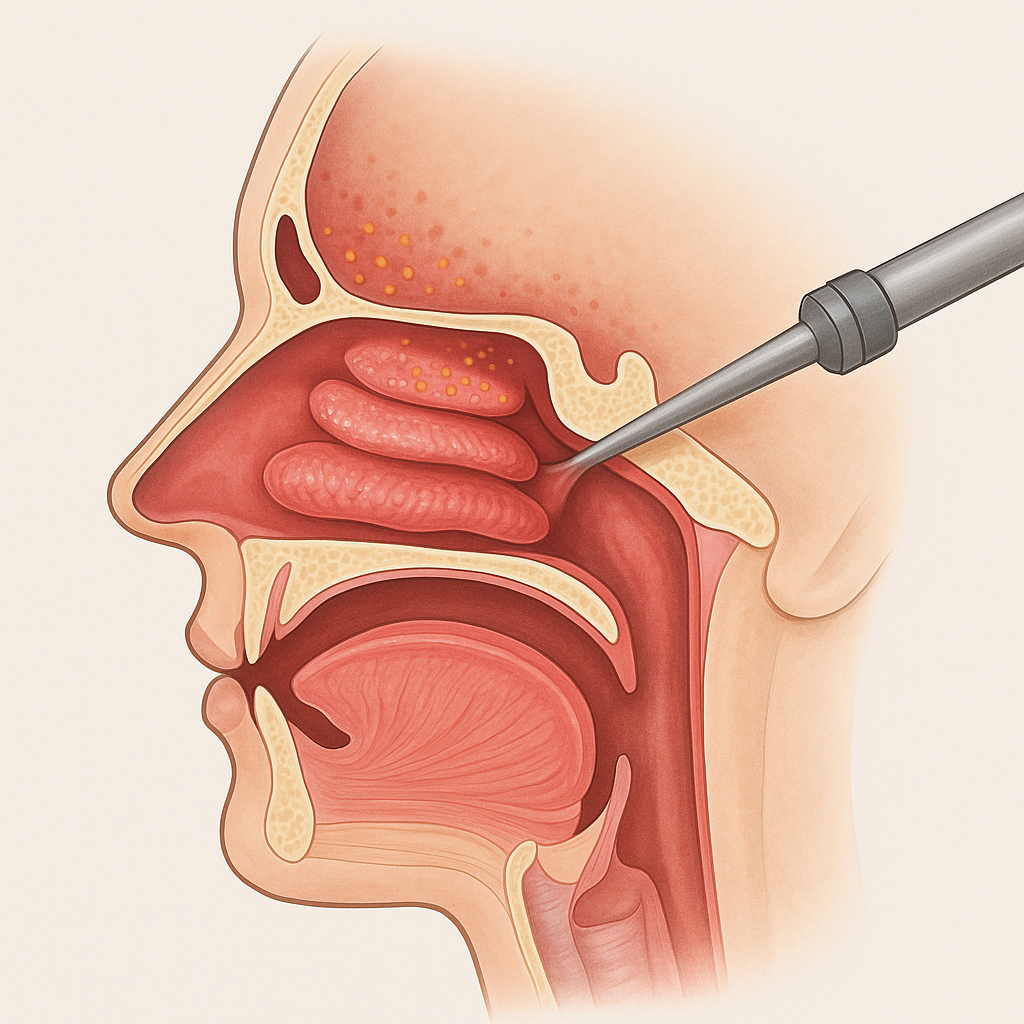
Breathing freely through the nose is something most of us take for granted—until it becomes difficult. One of the most common ENT conditions we treat at Saksham Hospital, Saharanpur is Nasal Allergy and Inferior Turbinate Hypertrophy. These issues can cause chronic nasal blockage, snoring, headaches, and reduced quality of life. In this post, we explain the causes, symptoms, and modern treatments available at our ENT department.
What Are Turbinates?
Inside your nose are small structures called turbinates. Their job is to warm, filter, and humidify the air you breathe. When exposed to repeated allergies or infections, these turbinates can become swollen—this is called turbinate hypertrophy.
When turbinates are enlarged, you may experience:
- Nasal blockage or obstruction
- Difficulty breathing during sleep
- Snoring
- Mouth breathing
- Reduced sense of smell
- Frequent headaches
Common Causes of Nasal Allergy & Turbinate Swelling
The ENT team at Saksham Hospital often sees these triggers:
1. Seasonal Allergies
Pollens, dust, pollution, and changing seasons can irritate the nasal lining.
2. Chronic Sinusitis
Long-standing sinus infections cause persistent mucosal swelling.
3. Deviated Nasal Septum (DNS)
A crooked septum can put pressure on one turbinate, causing enlargement.
4. Environmental Factors
Air pollution, smoke exposure, chemical fumes, or dry air.
5. Rebound Congestion
Overuse of nasal decongestant drops (like oxymetazoline) can worsen turbinate swelling.
Symptoms That Should Not Be Ignored
Patients often do not seek treatment until symptoms are severe. Watch out for:
- Continuous nasal blockage
- Post-nasal drip
- Snoring and disturbed sleep
- Sneezing and itchiness
- Watering from the nose
- Persistent headaches
If these persist for more than 2–4 weeks, an ENT evaluation is highly recommended.
How We Diagnose at Saksham Hospital ENT Department
Our ENT specialists use advanced diagnostic tools:
✔ Nasal Endoscopy
A painless, high-definition evaluation of the nasal cavity to detect turbinate size, polyps, DNS, and infections.
✔ Allergy Testing
To identify triggers and plan long-term management.
✔ CT Scan (if needed)
Provides detailed sinus structure view.
Treatment Options Available at Saksham Hospital
1. Medical Management
Most early cases improve with:
- Anti-allergic medications
- Nasal steroid sprays
- Saline nasal rinses
- Steam inhalation
- Lifestyle & environmental modifications
This is usually the first line of treatment.
2. Minimally Invasive Turbinate Reduction (If Needed)
When symptoms do not improve with medication, we offer modern, safe, and effective procedures:
✓ Radiofrequency Turbinate Reduction (RFT)
A low-heat procedure that reduces turbinate size without damaging the lining.
Benefits: Quick, minimal bleeding, same-day discharge.
✓ Coblation Turbinate Reduction
Uses controlled plasma energy for precise reduction.
Benefits: Very effective, minimal pain, long-term relief.
✓ Submucosal Diathermy (SMD)
A simple but effective surgical method when indicated.
These procedures help restore natural airflow without affecting normal nasal function.
Living With Nasal Allergies: Tips From Our ENT Specialists
- Keep your home dust-free
- Avoid strong perfumes, incense, and smoke
- Use an air purifier if possible
- Stay hydrated
- Practice saline nasal rinsing
- Use anti-allergic medications only as advised
When to Visit Saksham Hospital ENT Department
Seek expert help if you have:
Long-standing nasal blockage
Snoring or sleep disturbance
Frequent sinus infections
Reduced smell or taste
Persistent allergy symptoms
Our ENT department provides state-of-the-art diagnostics, personalised treatment plans, and modern minimally invasive surgeries, ensuring quick recovery and long-term relief.
Book an Appointment
📞 Call: +91- 98370 78239
📍 Location: Saksham Hospital, Saharanpur
🌐 Website: sakshamhospital.com
Our specialists are here to help you breathe better and live healthier.