
Posts
Doctor's Day
July 2, 2026
PCOS now PMOS
June 2, 2026
Kidney Day Nutrition Awareness
March 11, 2026
Post-Holi Health Reset: Simple Diet & Lifestyle Tips:-
March 6, 2026
#Mineral #Rich #Immunity #Diet:-
March 5, 2026
After Holi Detox Diet
March 5, 2026
The Dawn of a New Era: How AI is Revolutionizing Drug Discovery
February 16, 2026
FDA Approves First-of-Its-Kind Device to Treat Pancreatic Cancer
February 16, 2026
The Hidden Gut Bacteria That Could Revolutionize Your Health
February 15, 2026
The Future of Diagnosis: How AI is Revolutionizing Brain Scans
February 14, 2026
Scientists Discover Protein That Can Rejuvenate Aging Brain Cells
February 13, 2026
A New Dawn for Pancreatic Cancer Treatment: FDA Approves First-of-Its-Kind Wearable Device
February 13, 2026
AI Revolutionizes Brain Scan Analysis, Offering Diagnoses in Seconds
February 12, 2026
Managing Flu Season: A Guide for 2026
February 12, 2026
Your Immune System's Molecular Diary: How Life Experiences Shape Your Health
February 11, 2026
The Origami of Life: How DNA Folding and Immune System Secrets are Revolutionizing Medicine
February 10, 2026
Revolutionary AI Technology Reads Brain MRIs in Seconds: A Game-Changer for Neurological Diagnosis
February 10, 2026
Your Guide to Ayushman Bharat at Saksham Hospital, Saharanpur
November 17, 2025
A Beautiful Gesture of Gratitude: Akanksha’s Journey to Motherhood at Saksham Hospital
November 17, 2025
Understanding Nasal Allergy & Turbinate Hypertrophy: Causes, Symptoms & Treatment
November 16, 2025
The Importance of Regular Health Check-ups
October 2, 2025
❤️ Your Heart Matters: A Guide to Better Heart Health
September 30, 2025
A day in the life of an Obstetrician
September 28, 2025
The Hidden Gut Bacteria That Could Revolutionize Your Health
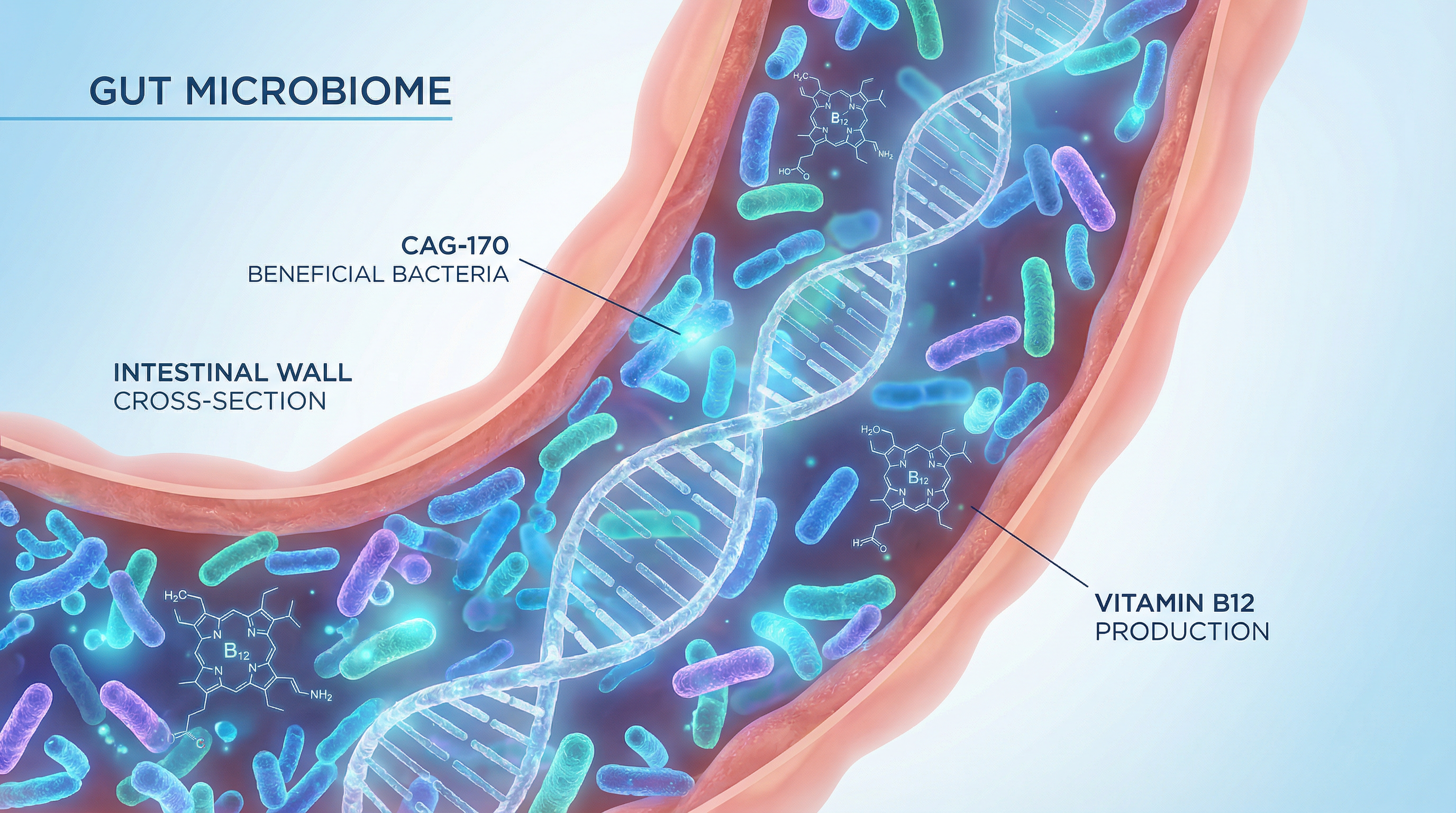
Within each of us exists a bustling, microscopic metropolis teeming with trillions of inhabitants. This is the gut microbiome, a complex ecosystem of bacteria, viruses, and fungi that plays a pivotal role in our overall health, influencing everything from digestion and immunity to our mood and well-being. For decades, scientists have been exploring this inner world, yet much of it remains uncharted territory. Now, a groundbreaking study has illuminated a previously hidden corner of this world, revealing a mysterious group of bacteria that could redefine our understanding of a healthy gut.
In a landmark international effort, researchers have identified a specific group of bacteria, known as CAG-170, that is consistently and overwhelmingly present in healthy individuals across the globe. This discovery, emerging from the analysis of thousands of human samples, suggests that CAG-170 may be a universal signature of good health. This article will delve into this fascinating breakthrough, exploring what these microbes are, the vital functions they perform, and what their discovery means for the future of personalized medicine and proactive healthcare.
The 'Hidden Microbiome' and the Rise of CAG-170
The human gut is home to an estimated 4,600 different species of bacteria, but a staggering two-thirds of them have remained a mystery to science. Because they cannot be easily grown and studied in a laboratory, they form what is known as the 'hidden microbiome' or 'dark matter' of the gut. These are the microbes we know exist only through their genetic fingerprints left behind in microbiome samples. It is within this enigmatic realm that scientists from the University of Cambridge pinpointed CAG-170.
The research was monumental in scale, involving the analysis of over 11,000 gut microbiome samples collected from people across 39 countries. By applying advanced computational techniques—a field known as metagenomics—the team sifted through this mountain of genetic data. They were searching for patterns, looking for microbial signatures that consistently appeared in healthy participants but were less common in those with chronic illnesses. A clear pattern emerged. Across diverse populations, a high abundance of CAG-170 was a strong and reliable indicator of good health. This wasn't just a coincidence; it was a consistent signal, suggesting these microbes are not just passive residents but active contributors to our well-being.
The Unseen Architects of Gut Health: What Does CAG-170 Do?
So, what makes this group of bacteria so special? The genetic analysis of CAG-170 revealed a suite of powerful capabilities that position it as a master architect of a healthy gut ecosystem. One of its most significant functions is the production of large quantities of Vitamin B12. While humans need Vitamin B12 for nerve function and the formation of red blood cells, the B12 produced by CAG-170 is thought to primarily nourish other beneficial bacteria in the gut. In essence, CAG-170 acts as a community supporter, providing essential nutrients that help other good microbes thrive, thus fostering a balanced and resilient microbiome.
Furthermore, CAG-170 is equipped with a powerful arsenal of enzymes designed to break down complex carbohydrates, sugars, and fibers from our diet. These are the types of nutrients that our own bodies cannot digest. By breaking them down, CAG-170 not only extracts energy for itself but also releases beneficial compounds that the human body can use. This digestive prowess ensures that we get the most out of our food and helps maintain the overall health of the intestinal lining. As lead researcher Dr. Alexandre Almeida stated, "CAG-170 bacteria... appear to be key players in human health, likely by helping us to digest the main components of our food and keeping the whole microbiome running smoothly."
A Missing Piece in the Puzzle of Chronic Disease
The study's most compelling finding is the strong inverse correlation between the presence of CAG-170 and a wide array of chronic diseases. The research team compared the gut microbiomes of healthy individuals with those of people diagnosed with 13 different diseases. The results were striking. Individuals with conditions such as inflammatory bowel disease (IBD), Crohn's disease, obesity, colorectal cancer, and even neurological and mental health conditions like Parkinson's disease, anxiety, and depression, consistently showed significantly lower levels of CAG-170.
This connection was further solidified in an analysis focused on dysbiosis, a state of microbial imbalance in the gut that has been linked to numerous long-term health problems. The study found that lower levels of CAG-170 were directly associated with a greater likelihood of having a dysbiotic, or imbalanced, gut. This suggests that the absence of these crucial bacteria may either contribute to the development of these diseases or be a consequence of the disease process itself. While the exact cause-and-effect relationship is still under investigation, the strong association marks CAG-170 as a critical biomarker for gut health and a potential target for future therapeutic interventions.
The Future is Targeted: Probiotics and Personalized Health
This discovery opens up an exciting new frontier in the world of probiotics and personalized medicine. For years, the probiotic industry has relied on a handful of well-known bacterial species. However, this research highlights that the most impactful microbes may have been hiding in plain sight within the "hidden microbiome." The identification of CAG-170 provides a clear target for a new generation of probiotics.
Imagine a future where a simple gut microbiome test could reveal your levels of CAG-170. If they are low, a specifically designed probiotic could be prescribed to help replenish these vital bacteria, potentially restoring balance to your gut and reducing your risk for a host of chronic conditions. This approach represents a shift from generic, one-size-fits-all probiotics to highly targeted, evidence-based interventions tailored to an individual's unique microbial makeup.
Before this can become a reality, however, scientists face the challenge of culturing CAG-170 in the lab. Developing new methods to grow and study these elusive bacteria is the next critical step. Once achieved, researchers can begin to test their therapeutic potential directly, paving the way for revolutionary treatments that harness the power of our own inner ecosystem to maintain and restore health. This research is not just a scientific curiosity; it is a beacon of hope, illuminating a path toward a future where we can proactively manage our health from the inside out.