
Posts
Doctor's Day
July 2, 2026
PCOS now PMOS
June 2, 2026
Kidney Day Nutrition Awareness
March 11, 2026
Post-Holi Health Reset: Simple Diet & Lifestyle Tips:-
March 6, 2026
#Mineral #Rich #Immunity #Diet:-
March 5, 2026
After Holi Detox Diet
March 5, 2026
The Dawn of a New Era: How AI is Revolutionizing Drug Discovery
February 16, 2026
FDA Approves First-of-Its-Kind Device to Treat Pancreatic Cancer
February 16, 2026
The Hidden Gut Bacteria That Could Revolutionize Your Health
February 15, 2026
The Future of Diagnosis: How AI is Revolutionizing Brain Scans
February 14, 2026
Scientists Discover Protein That Can Rejuvenate Aging Brain Cells
February 13, 2026
A New Dawn for Pancreatic Cancer Treatment: FDA Approves First-of-Its-Kind Wearable Device
February 13, 2026
AI Revolutionizes Brain Scan Analysis, Offering Diagnoses in Seconds
February 12, 2026
Managing Flu Season: A Guide for 2026
February 12, 2026
Your Immune System's Molecular Diary: How Life Experiences Shape Your Health
February 11, 2026
The Origami of Life: How DNA Folding and Immune System Secrets are Revolutionizing Medicine
February 10, 2026
Revolutionary AI Technology Reads Brain MRIs in Seconds: A Game-Changer for Neurological Diagnosis
February 10, 2026
Your Guide to Ayushman Bharat at Saksham Hospital, Saharanpur
November 17, 2025
A Beautiful Gesture of Gratitude: Akanksha’s Journey to Motherhood at Saksham Hospital
November 17, 2025
Understanding Nasal Allergy & Turbinate Hypertrophy: Causes, Symptoms & Treatment
November 16, 2025
The Importance of Regular Health Check-ups
October 2, 2025
❤️ Your Heart Matters: A Guide to Better Heart Health
September 30, 2025
A day in the life of an Obstetrician
September 28, 2025
Revolutionary AI Technology Reads Brain MRIs in Seconds: A Game-Changer for Neurological Diagnosis
Understanding the Challenge
Every year, millions of brain MRI scans are performed worldwide to diagnose neurological conditions ranging from strokes and brain hemorrhages to tumors and degenerative diseases. However, there's a critical bottleneck in modern healthcare: there simply aren't enough specialized radiologists to read all these scans quickly. Patients often wait days—sometimes even longer—to receive their imaging results, and in emergency situations, these delays can literally be the difference between life and death.
This shortage of neuroradiology expertise has created a perfect storm. As the demand for MRI scans continues to grow exponentially, the availability of qualified specialists has not kept pace. Rural hospitals struggle even more, often lacking access to any neuroradiologists at all. The result? Diagnostic delays, increased errors, and compromised patient outcomes.
Enter Prima: The AI Revolution in Medical Imaging
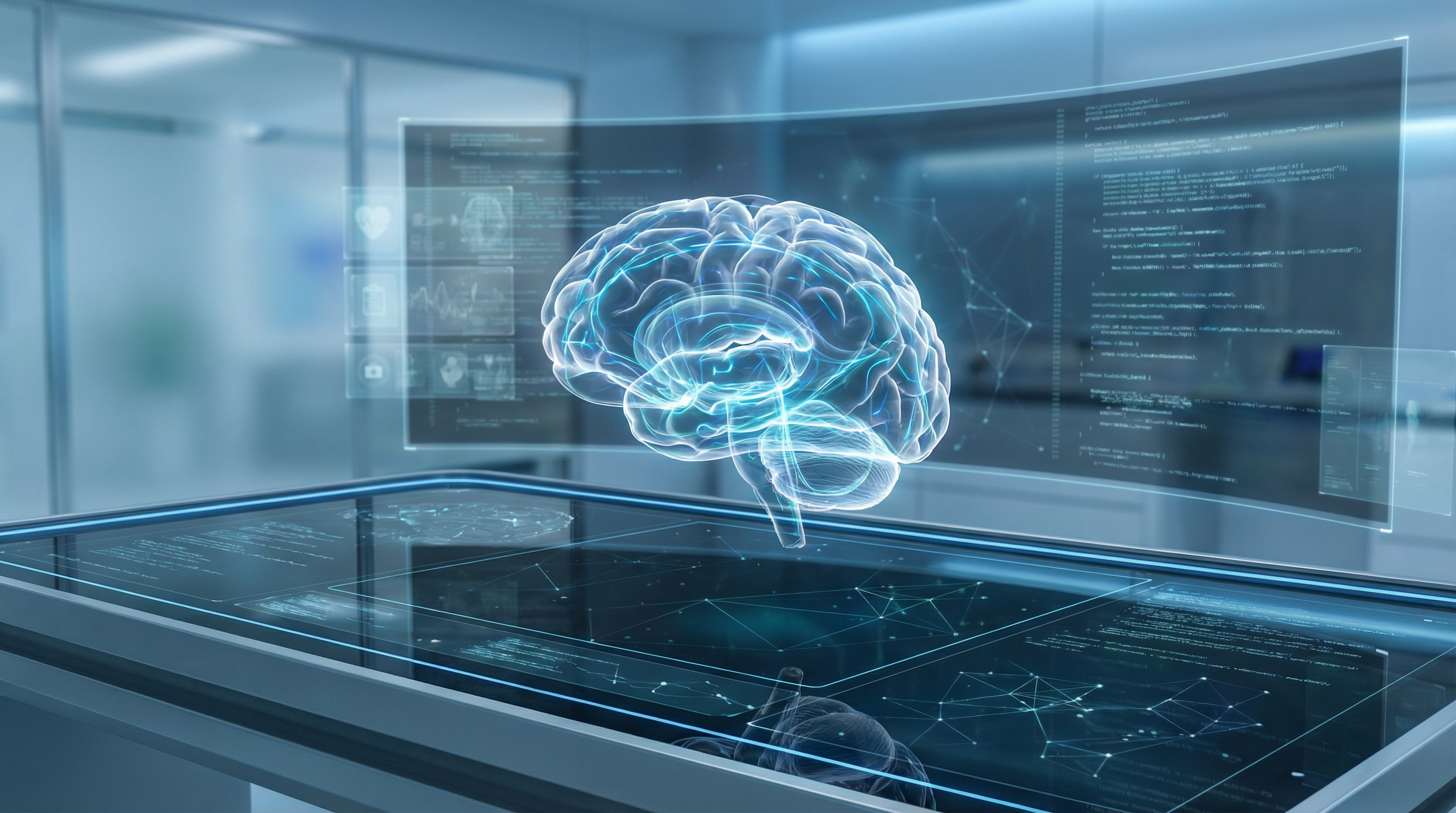
Researchers at the University of Michigan have just unveiled a groundbreaking solution to this problem. They've developed an artificial intelligence system called Prima that can analyze brain MRI scans and deliver accurate diagnoses in a matter of seconds. Published in the prestigious journal Nature Biomedical Engineering, this technology represents a significant leap forward in how we approach neurological imaging.
Prima is classified as a Vision Language Model (VLM), a sophisticated type of artificial intelligence that can simultaneously process images, video, and text in real time. What makes Prima truly revolutionary is not just its speed, but its remarkable accuracy. In testing, the system achieved diagnostic accuracy as high as 97.5%—outperforming other advanced AI tools currently available.
How Does Prima Actually Work?
Unlike earlier AI models that were trained on carefully selected subsets of data and designed to perform narrow, specific tasks, Prima was built differently. Dr. Todd Hollon and his research team at University of Michigan Health trained Prima on an enormous dataset: over 200,000 MRI studies collected since their hospital digitized radiology records. This included an astounding 5.6 million individual imaging sequences.
But here's what truly sets Prima apart: it doesn't just look at the images. The system was also trained on patients' complete clinical histories and the reasons why physicians ordered each imaging study in the first place. This means Prima works exactly like a skilled radiologist would—by integrating information about the patient's medical background with the actual imaging data to create a comprehensive understanding of their health.
This holistic approach enables Prima to perform accurately across an incredibly broad range of prediction tasks. The system can identify and diagnose more than 50 different radiologic conditions involving major neurological disorders. Whether it's detecting a stroke, identifying a brain hemorrhage, spotting a tumor, or recognizing signs of dementia, Prima can handle it all.
The Speed Factor: Why It Matters
Let's put Prima's speed into perspective. Traditional radiologist interpretation of a complex brain MRI might take 15-30 minutes or longer, especially if the case is complicated. Prima delivers its analysis in seconds. But speed alone isn't the real value here—it's what that speed enables.
Consider a patient arriving at an emergency room with symptoms of a stroke. Every minute counts. With Prima, the MRI scan can be analyzed instantly, and if a stroke is detected, the system automatically alerts the appropriate specialist—a stroke neurologist or neurosurgeon—immediately. This kind of rapid triage can mean the difference between a patient receiving life-saving treatment within the critical time window or suffering permanent brain damage.
Beyond Just Diagnosis: Understanding Urgency
What makes Prima even more sophisticated is that it doesn't just identify what's wrong—it also assesses how urgently the patient needs medical attention. This capability is crucial in busy hospitals where resources must be allocated efficiently. Prima can prioritize cases that need immediate intervention, ensuring that the most critical patients get seen first.
The Broader Impact on Healthcare
The implications of this technology extend far beyond individual patient care. Hospitals and health systems across the United States are struggling under the weight of increasing imaging volumes. Rural hospitals, in particular, face a crisis: many have no access to neuroradiology services at all, forcing patients to travel long distances or wait for teleradiology consultations.
Prima offers a scalable solution. Whether a patient is receiving a scan at a large urban medical center facing overwhelming volume or a small rural hospital with limited resources, Prima can provide immediate, accurate analysis. This democratization of diagnostic expertise has the potential to reshape healthcare delivery across the country.
What About the Human Radiologist?
You might be wondering: will Prima replace radiologists? The answer is no. Dr. Hollon describes Prima as a "co-pilot" for interpreting medical imaging studies, much like how AI tools help draft emails or provide recommendations. Prima is designed to augment and support radiologists, not replace them. By handling the initial analysis and flagging urgent cases, Prima frees radiologists to focus on complex cases that require human judgment and experience.
Think of it as having an expert radiologist available 24/7 to provide a second opinion or handle routine cases, while human specialists concentrate on the most challenging diagnostic dilemmas.
Looking Toward the Future
The success of Prima opens exciting possibilities. Dr. Hollon's team is already working on incorporating more detailed patient information and electronic medical record data to further improve diagnostic accuracy. Beyond brain MRIs, the same technology could be adapted for other imaging types—mammograms for breast cancer screening, chest X-rays for pneumonia and lung disease, and ultrasounds for various conditions.
The future of medical imaging isn't about choosing between AI and human expertise—it's about combining them intelligently. Prima exemplifies this vision: technology that amplifies human capability, improves access to expert-level diagnosis, and ultimately saves lives.
The Bottom Line
For patients, Prima means faster answers and potentially better outcomes. For healthcare systems, it means addressing the critical shortage of radiologists and reducing diagnostic delays. For the field of medicine, it represents the transformative potential of integrating health systems with AI-driven models.
The University of Michigan's Prima system isn't just a technological achievement—it's a blueprint for how artificial intelligence can solve real-world healthcare challenges. As this technology continues to develop and improve, we can expect to see it implemented in hospitals across the country, fundamentally changing how neurological conditions are diagnosed and treated.
In the race against time that emergency medicine often represents, Prima gives us a powerful new ally.